Solar & batteries · 9 calculators
Solar and batteries: 9 calculators with 2026 rules
Size the system, estimate what it's worth in your state, and see how long a battery keeps the lights on.

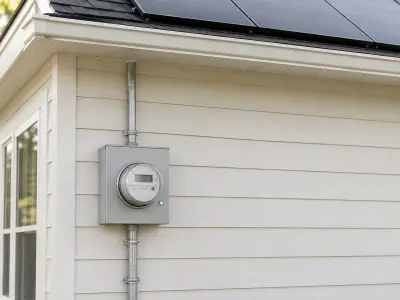
Solar: size, output and payback




Batteries and backup



How these calculators work
Whether solar pays off comes down to three numbers that change from state to state: how much sun a kilowatt of panels gets, what you pay for electricity, and what your utility credits for the power you send back. In our data, one kW of south-facing panels makes about 900 kWh a year in Alaska and up to 1,700 kWh in Arizona and New Mexico (NREL PVWatts). Residential electricity runs from 11.5¢/kWh in North Dakota to 42.0¢/kWh in Hawaii (EIA).
The third number is the one most calculators skip. Under retail net metering, every kWh you export is credited at the full rate. Under net billing, such as California's NEM 3.0, exports earn a fraction of it. Our payback and output calculators apply a factor for your state's rule: 1.0 for retail, 0.6 for net billing, 0.5 for limited or utility-dependent rules, 0.4 otherwise. That's why the same 8 kW system at $3.00 per watt pays back in an estimated 8 years in Massachusetts and 21 years in Texas.
There is also no federal credit in any of our 2026 numbers: 25D ended for systems placed in service after Dec 31, 2025. The net cost is the installed price minus the state or utility incentive you enter.
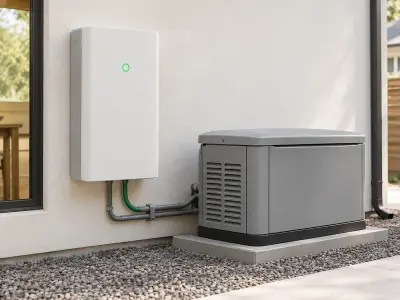
Batteries follow simpler math: usable kWh divided by the load you keep on. A 13.5 kWh battery gives about 12.2 usable kWh, or roughly 10 hours at a 1.2 kW load and under 3 hours with central AC running. If your outages last days, compare the battery with a propane standby generator over 10 years.
Every result is an estimate. Production, rate and net metering rule are shown under each result with their source, and the system price, incentive and loads are yours to edit.